The Role of Avionics in Modern Aircraft Operations
- By aviomaraengineering@gmail.com
- Aircraft, Engineering Support, Mechanic
- Nov 29, 2023
- 0 Comments
Avionics systems form the technological backbone of modern aircraft, integrating navigation, communication, surveillance, and mission-critical functions into a unified operational environment. As aircraft continue to evolve in complexity and capability, reliable avionics design, integration, and maintenance have become essential to ensuring safety, performance, and mission readiness.
What Are Avionics Systems?
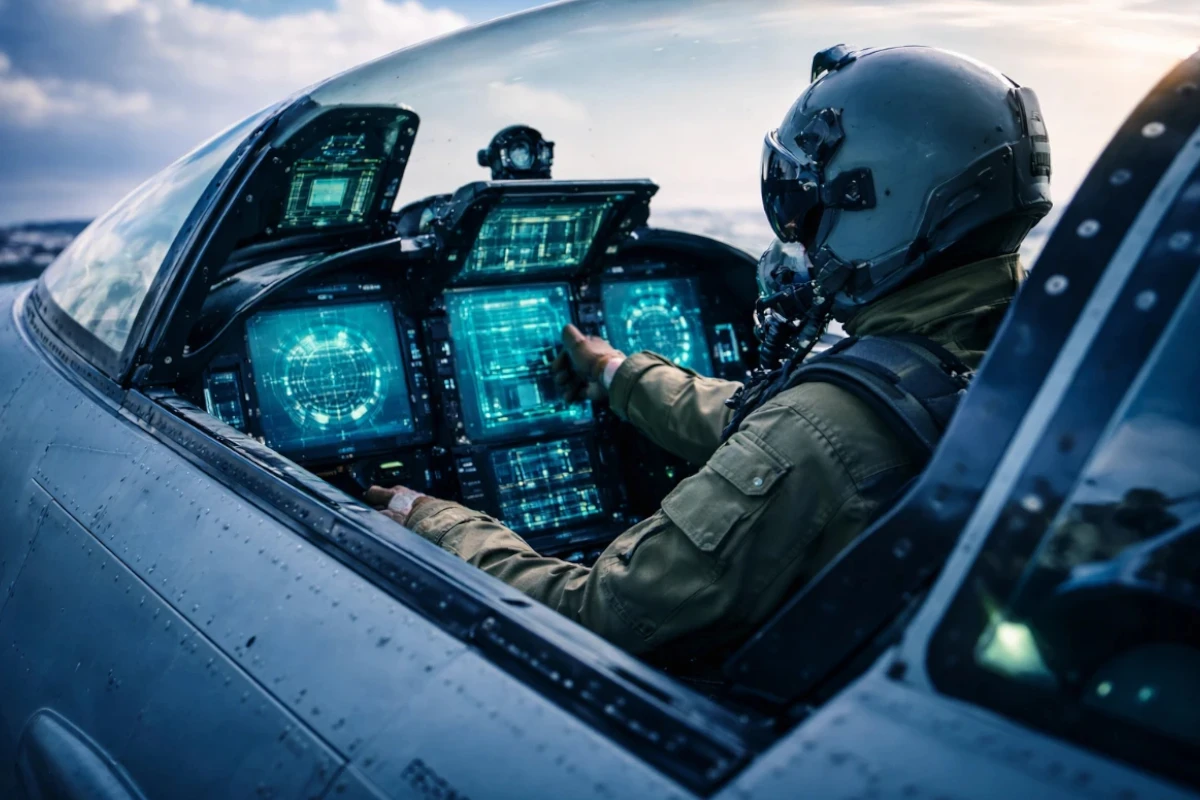
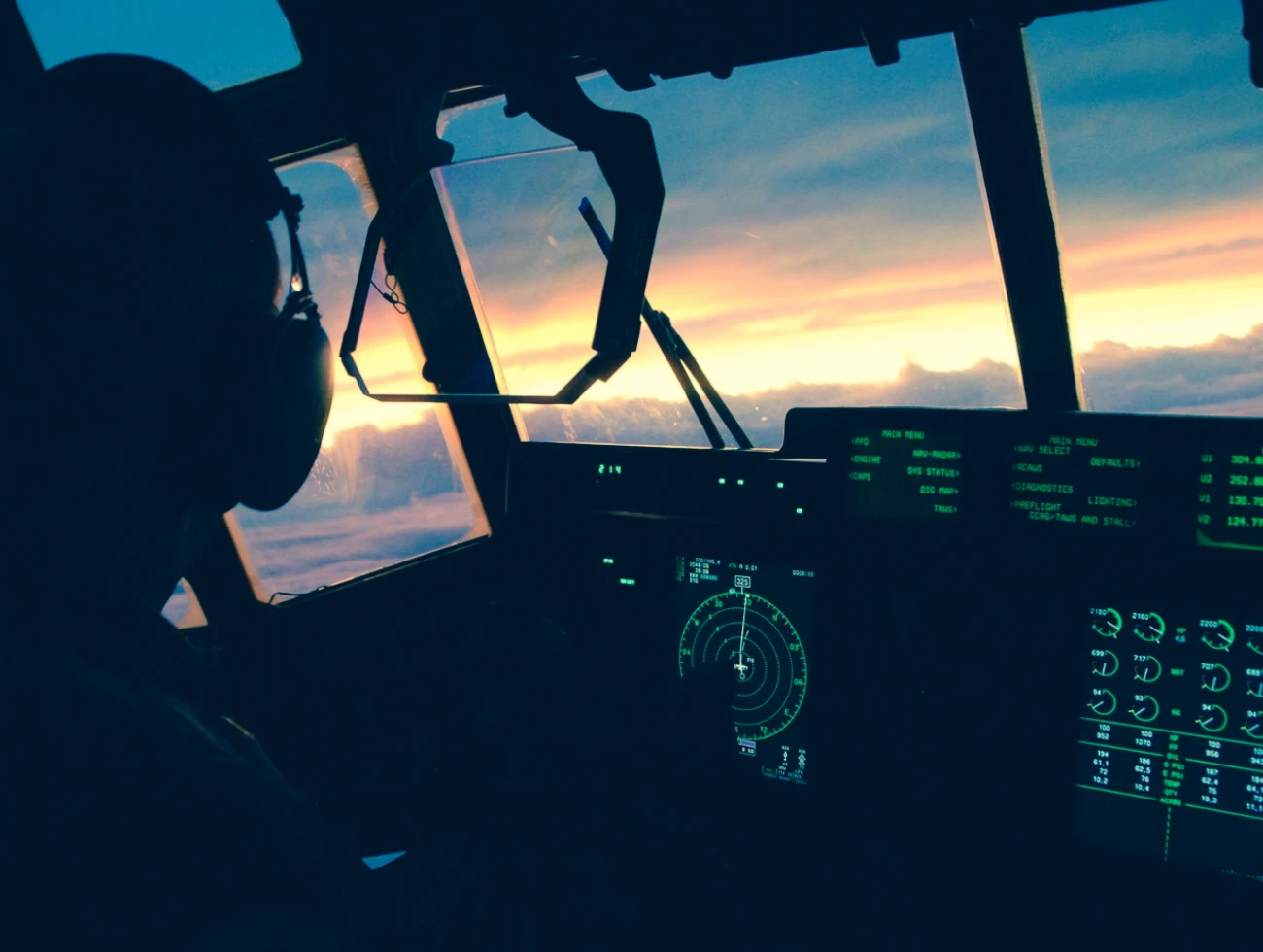
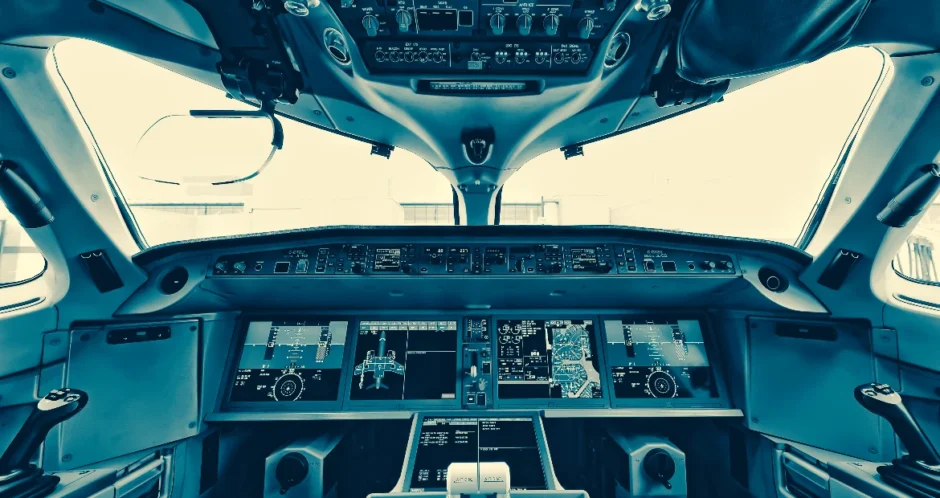
Avionics refer to the electronic systems used in aircraft to manage flight operations and onboard functionality. These systems support critical tasks such as flight navigation, engine monitoring, communication with ground control, situational awareness, and mission execution. From cockpit displays and flight management systems to sensors, data buses, and mission computers, avionics ensure pilots and operators maintain precise control and awareness throughout every phase of flight.
The Importance of Avionics Integration
Modern aircraft rely on highly integrated avionics architectures rather than standalone systems. Effective integration ensures seamless data exchange between subsystems, allowing pilots to access accurate, real-time information through intuitive cockpit interfaces. Poorly integrated avionics can lead to system conflicts, reduced situational awareness, and increased workload, making professional integration and validation a critical step in aircraft engineering.
Avionics Upgrades and Modernization
As technology advances, avionics upgrades play a vital role in extending aircraft service life and enhancing operational capability. Modern cockpit displays, advanced navigation systems, and improved communication interfaces enable aircraft to meet evolving regulatory standards while improving efficiency and safety. Upgrades also support interoperability with modern airspace requirements and mission systems, particularly in specialized and military operations.
Maintenance and Troubleshooting of Avionics Systems
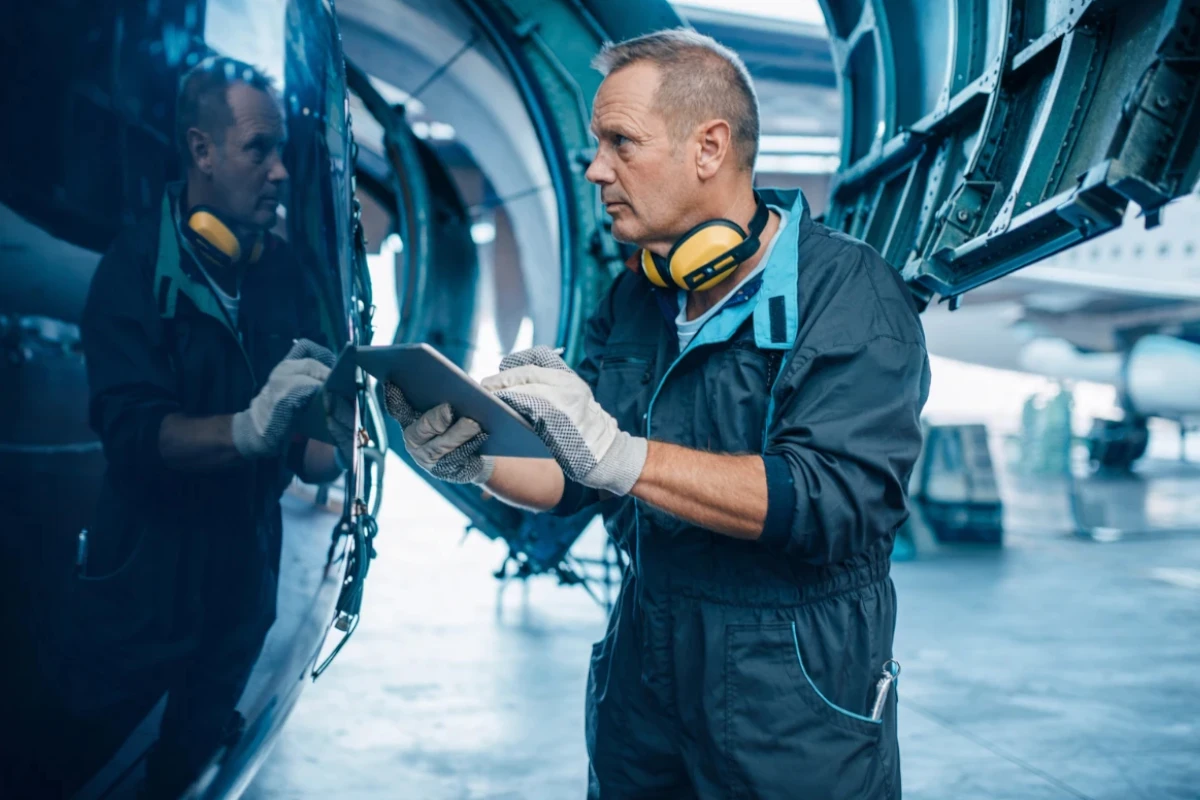
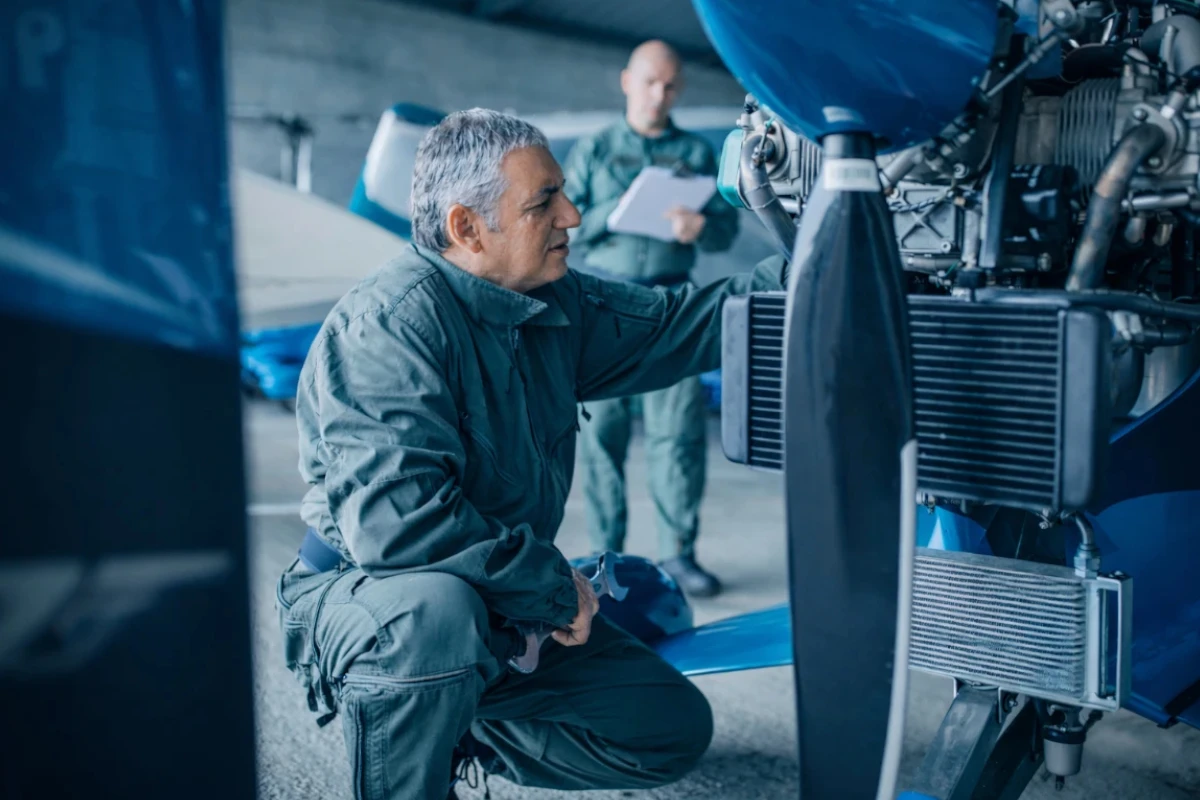
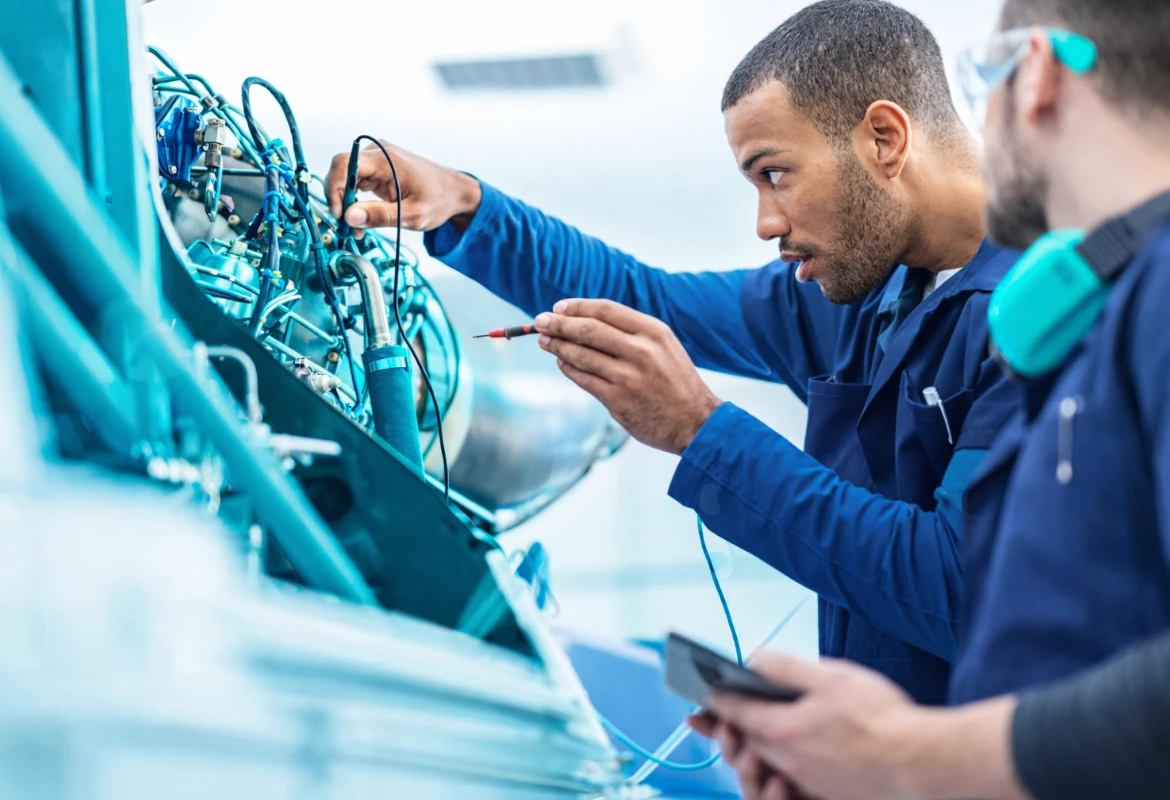
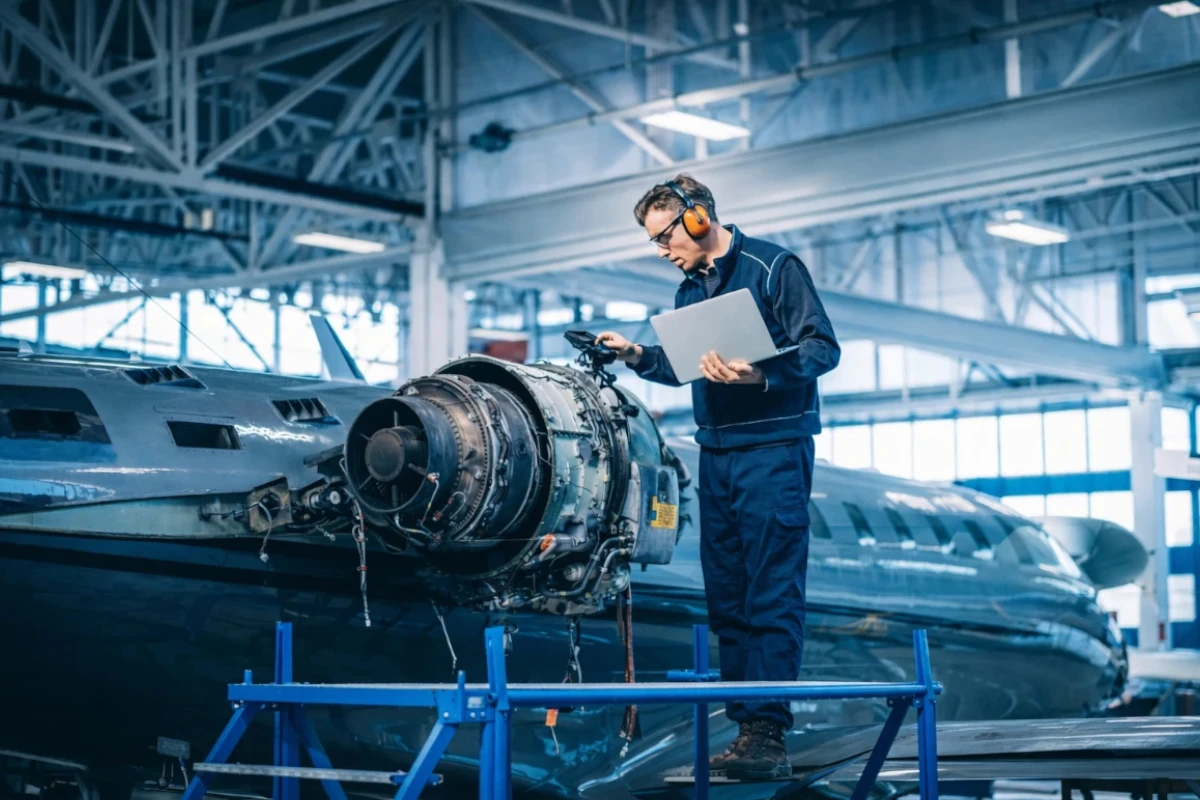
Avionics as a Strategic CapabilityAvionics systems require meticulous maintenance due to their complexity and mission-critical nature. Advanced troubleshooting techniques, supported by diagnostic tools and system expertise, are essential for identifying faults, ensuring reliability, and minimizing downtime. Preventive maintenance and systematic inspections help detect potential issues before they impact operational availability.
Documentation and Configuration Management
Accurate technical documentation and configuration management are fundamental elements of avionics engineering. Proper records ensure system traceability, regulatory compliance, and controlled system evolution over the aircraft lifecycle. Configuration control also enables safe upgrades, modifications, and future integrations without compromising system integrity.
Â
Avionics as a Strategic Capability
In today’s operational environment, avionics are more than support systems—they are strategic enablers. Well-engineered avionics enhance mission effectiveness, safety margins, and operational flexibility across civil, governmental, and military aviation sectors. Investing in professional avionics engineering and maintenance is essential to sustaining aircraft performance in an increasingly complex airspace.